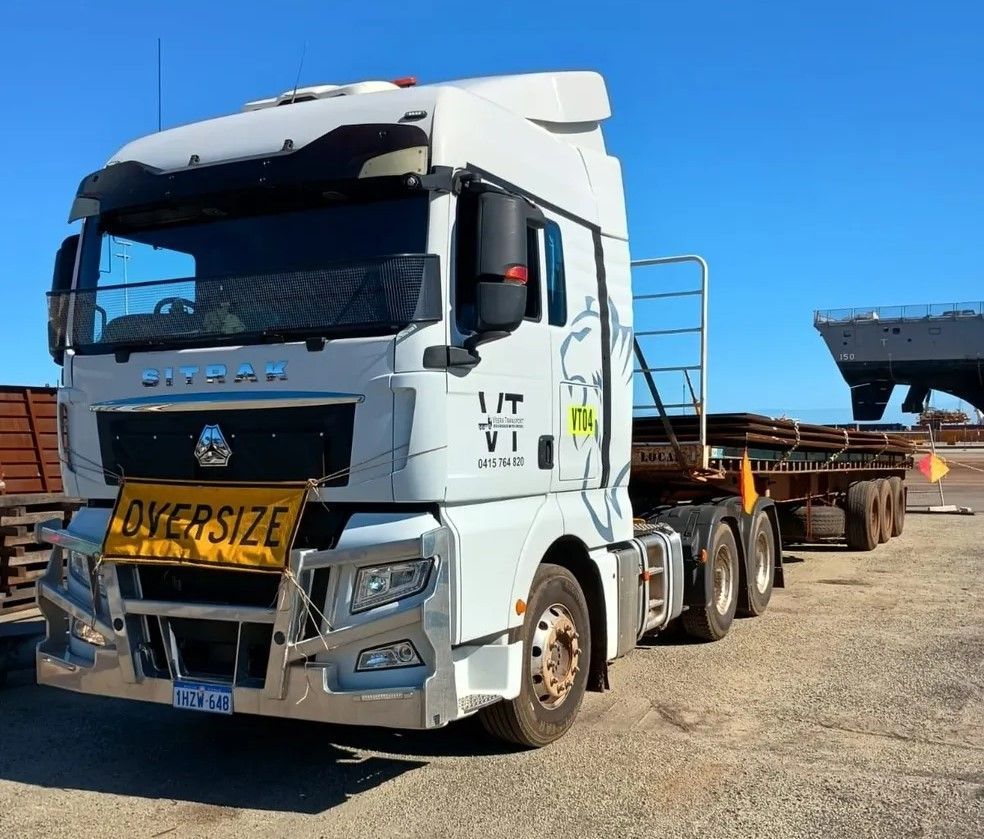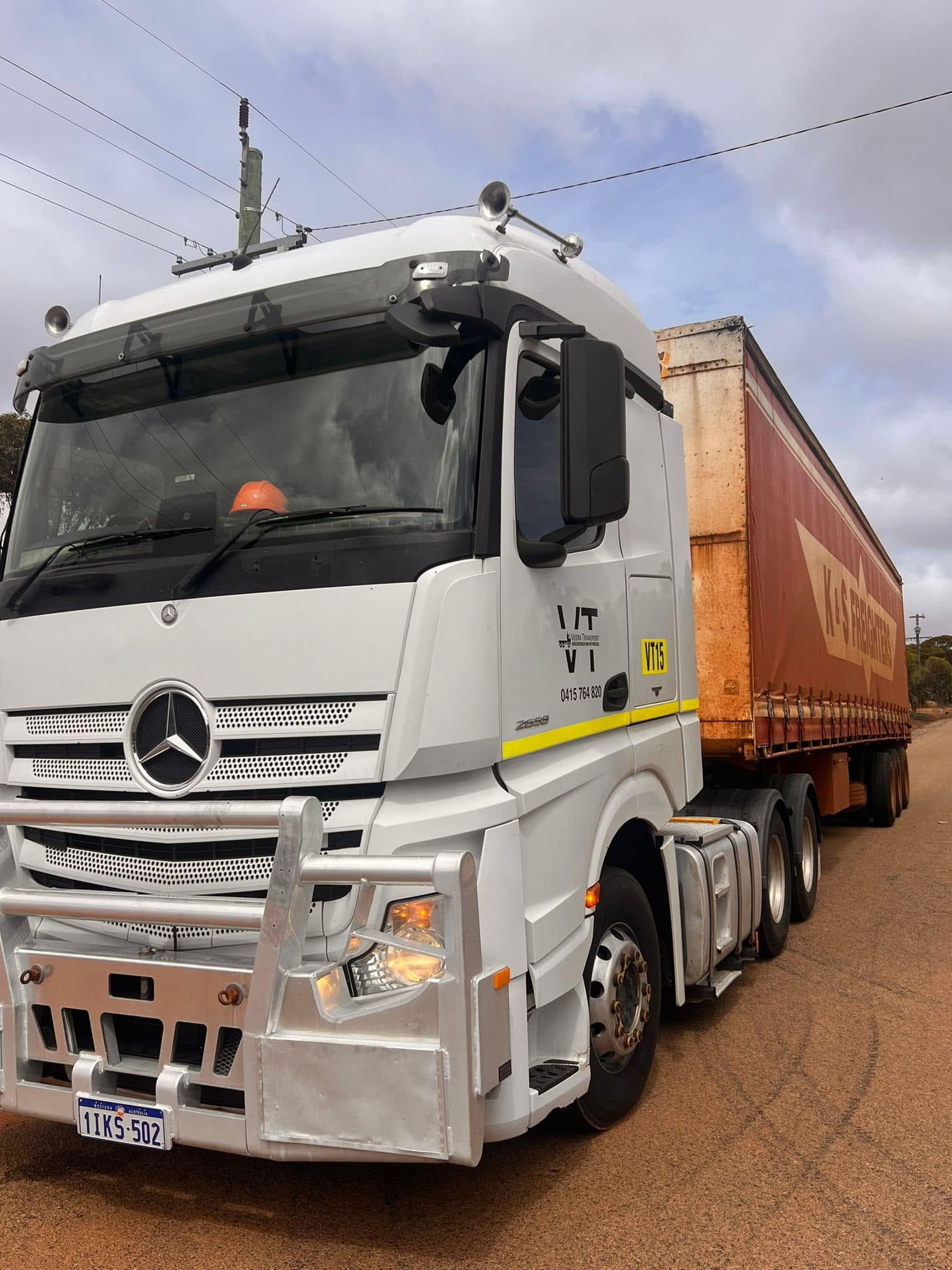
Heavy haulage planning for WA freight jobs
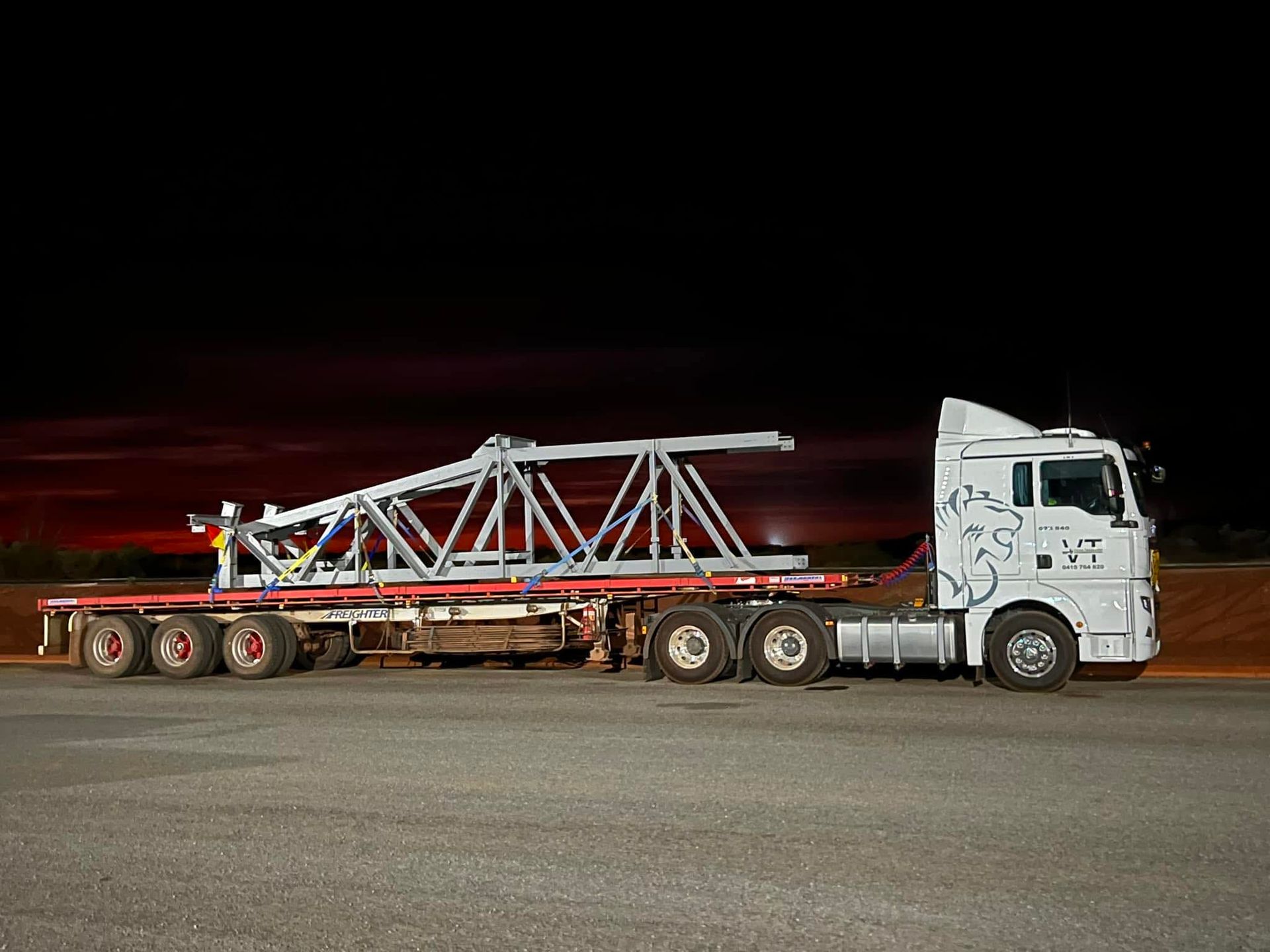
Heavy haulage needs more planning than a standard freight movement. The load may be larger, heavier, more difficult to access, or connected to a project schedule where timing matters. For civil, mining, industrial, commercial, and import/export clients across Perth and Western Australia, preparing the right information before booking can make the whole movement easier to coordinate.
Veera Transport provides heavy haulage support from its Wattleup base, servicing Perth and surrounding areas with capacity for wider Western Australia and suitable interstate routes. This guide covers the practical details to prepare before arranging heavy haulage and explains how those details help match the right transport option to the job.
Start with accurate load information
The first step in heavy haulage planning is understanding exactly what needs to be moved. Useful details include the load type, dimensions, estimated weight, lifting or loading requirements, pickup location, delivery location, and whether the freight is machinery, plant, equipment, container-related freight, or another large item.
Photos are also useful, especially when the freight is machinery, plant, or irregularly shaped equipment. They help the transport team understand clearance, attachment points, loading conditions, and any practical issues that may affect the move.
Accurate information reduces the risk of the wrong transport option being selected. It also helps avoid delays caused by access issues, unexpected freight dimensions, unsuitable loading conditions, or incomplete job details.
Check pickup and delivery access early
Site access can be one of the biggest factors in heavy haulage. A yard, depot, warehouse, construction site, mine-related facility, industrial site, or customer location may all have different entry conditions. Access, turning room, ground conditions, overhead clearance, and loading space should be checked before transport is arranged.
Pickup and delivery sites may also have operating hours, site inductions, loading windows, traffic management requirements, or restricted entry points. These details matter because heavy haulage often involves larger equipment and more careful movement planning than smaller freight tasks.
When access information is supplied early, the team can better assess whether heavy haulage, machinery transport, tilt tray transport, or another transport option is the right fit.
Consider route, timing, and freight priority
Heavy haulage planning should include route and timing considerations. Some freight can be moved during standard windows, while other movements may need more careful coordination around site availability, customer schedules, loading equipment, or destination readiness.
Route suitability is also important. The size and nature of the load can affect how the movement is planned, particularly when freight is large, heavy, or being moved across longer WA routes. Providing the pickup and delivery locations early gives the transport team the context needed to assess the job properly.
Timing should be realistic and connected to the wider project schedule. If the load is required on site for a specific stage of work, or if a warehouse or depot has limited loading times, that should be included in the enquiry.
How heavy haulage connects with other transport services
Heavy haulage is often part of a broader transport requirement. A client may need machinery moved to a site, containers carted to a warehouse, equipment transported between depots, or freight stored and distributed after delivery.
Veera Transport’s broader service offer includes machinery and plant transport, oversized transport, tilt tray transport, container cartage, warehousing, distribution, and third party logistics support. This allows clients to discuss connected freight requirements with one team instead of separating each movement into a different supplier conversation.
For businesses managing civil projects, mining support, commercial freight, industrial operations, or import/export movements, that broader capability can make freight planning more practical.
Prepare the right details before requesting a quote
Before requesting a heavy haulage quote, prepare the freight description, size, estimated weight, pickup address, delivery address, access notes, loading requirements, preferred timing, and any project constraints. If the freight is machinery or plant, include photos and any available specifications.
Contact Veera Transport to discuss heavy haulage across Perth, wider Western Australia, and suitable interstate routes. Explore heavy haulage services or request a freight quote for your next movement.