Preparing machinery and plant for transport
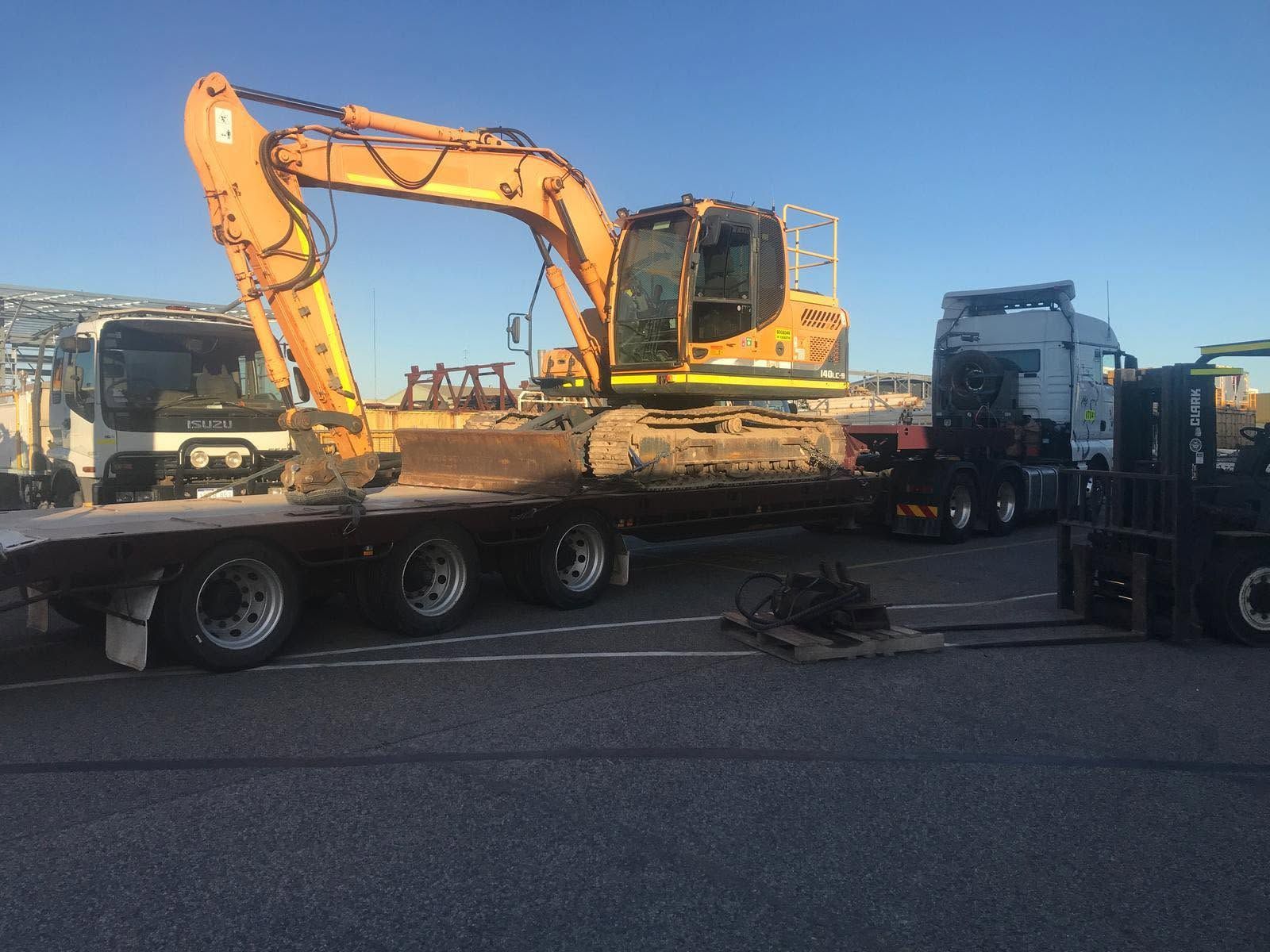
Machinery and plant transport can involve more than moving equipment from one location to another. The machine may need to be collected from a yard, moved between project sites, delivered to a workshop, transported to a depot, or relocated as part of a larger freight schedule. Good preparation helps the transport team understand the machine, the access conditions, and the safest practical way to complete the movement.
Veera Transport supports machinery and plant transport from Wattleup across Perth, wider Western Australia, and suitable interstate routes. This guide outlines what to prepare before booking machinery transport so civil, mining, commercial, industrial, and import/export clients can keep equipment movements organised.
Confirm machine details before arranging transport
Start by confirming the machine type, make or model if available, dimensions, estimated weight, attachments, running condition, and whether any parts need to be removed or secured before transport. If the machine has buckets, blades, forks, augers, ramps, or other attachments, include those details in the enquiry.
Photos are valuable because they provide immediate context for the freight. A side view, front view, rear view, and image of the loading area can help the transport team assess the movement more accurately. If specifications are available, they should be shared as well.
These details help determine whether the movement is best suited to machinery transport, heavy haulage, tilt tray transport, oversized transport, or another freight option. The more accurate the starting information is, the easier it is to plan around the actual equipment rather than assumptions.
Check the machine’s condition and transport readiness
Before transport, the machine should be checked for loose parts, unsecured attachments, fluid leaks, damaged components, or anything that may affect loading and travel. Any known issue should be communicated early so the transport approach can account for it.
If the equipment cannot be driven or moved under its own power, that detail is important. Non-operational machinery may need different loading support or a different transport method compared with equipment that can be moved into position more easily.
It also helps to confirm whether the machine has keys, whether an operator will be available, and whether loading assistance is required at either end. These small details can make a large difference on the day of transport.
Review access at both sites
Machinery transport depends heavily on pickup and delivery access. A site may have limited turning space, uneven ground, soft ground, tight gateways, overhead clearance issues, loading restrictions, or site procedures that need to be followed.
For construction sites, industrial yards, warehouses, mine-related facilities, depots, and workshops, access should be checked before booking. The team should know whether there is enough room to load safely, whether the delivery point is ready to receive the equipment, and whether there are any site requirements such as inductions, escorts, or nominated loading windows.
Providing access details early helps avoid delays and supports a more practical transport plan.
Plan timing around project requirements
Machinery and plant often need to arrive at the right time for a project stage, workshop booking, delivery window, or handover requirement. Transport timing should be planned around when the equipment is ready to move and when the receiving site is ready to accept it.
If the machine is required for civil works, mining support, industrial operations, or commercial freight schedules, timing should be realistic and clearly communicated. Rush movements can sometimes be supported, but the best outcome usually comes from providing details early and allowing the right transport option to be arranged.
Where machinery transport forms part of a broader freight requirement, it can also connect with heavy haulage, oversized transport, tilt tray transport, container cartage, warehousing, distribution, or 3PL support.
Need machinery or plant moved?
Prepare the machine details, photos, pickup and delivery information, access notes, timing requirements, and any loading considerations before requesting a quote. This helps the transport team recommend the most suitable approach for the job.
Contact Veera Transport to discuss machinery and plant transport across Perth, wider WA, and suitable interstate routes. Explore machinery and plant transport or request a transport quote.